Sports and deep tissue massage
Slow, firm, targeted techniques that work on the muscles causing your pain or stiffness. It suits people who train, run, cycle or play sport, and anyone who feels tight and sore from desk work. It can ease muscle tension and stiffness, help recovery after exercise, and support rehab after an injury.
Pregnancy massage
Pregnancy-safe positioning and technique to ease lower back and hip discomfort, relieve tension in the shoulders and neck, and help you feel more comfortable as your body changes. Delivered in a clinical treatment room by therapists trained in pregnancy massage.
Lymphatic drainage massage
Light, rhythmic strokes that support the body's natural drainage system. It can help reduce swelling after an injury or surgery, ease puffiness in the legs, ankles or arms, and support circulation after a long period of inactivity. It is a very different treatment from deep tissue work and leaves you feeling lighter, not sore.
We also offer therapeutic massage and bodywork, including oncology massage, reflexology and abdominal massage.
What happens in your session
- Short assessment: where you feel pain, tightness or swelling, and which type of massage fits.
- Hands-on treatment focused on the muscles and areas causing the problem, not a generic routine.
- Aftercare advice on what to do between sessions to keep the problem from coming back.
If your therapist thinks something needs a closer look, you can see one of our physiotherapists or have an ultrasound scan in the same building.
Your massage therapists
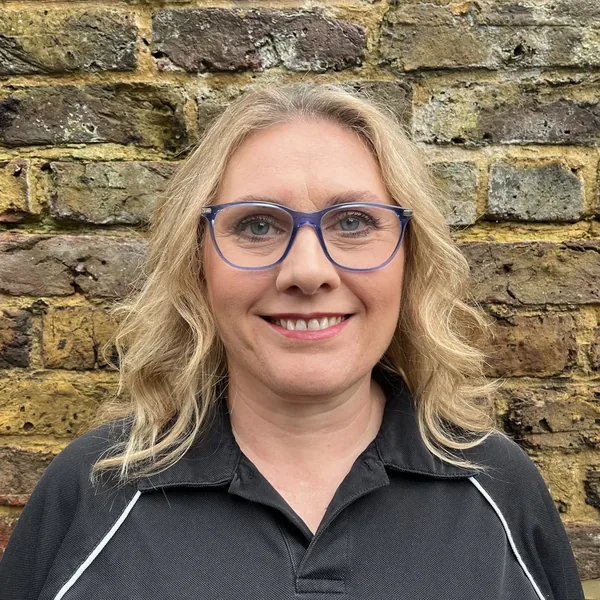
Laura Occhionero
A massage therapist since 2021, Laura works across 16 techniques including Level 5 sports massage, Vodder lymphatic drainage, reflexology and abdominal therapy. She teaches and assesses sports massage and has treated athletes at major sporting events.
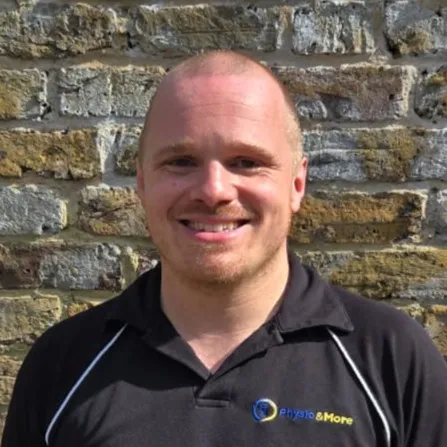
George Stansfield
Level 5 sports massage therapist, trained at St Mary's University, with a special interest in pregnancy massage.
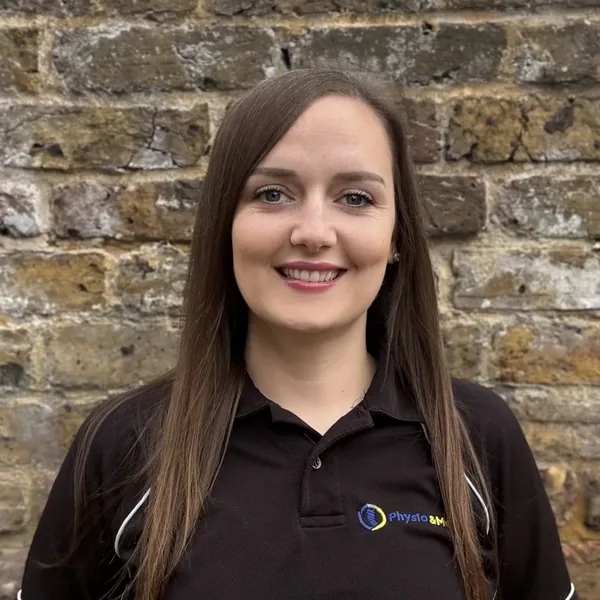
Alice McCauley
Alice specialises in sports and deep tissue massage and has been treating patients for over seven years. She has a degree in Sports Psychology and trained in sports massage with Sports Therapy UK and St Mary's University.
Prices
| Massage | |
|---|---|
| Sports massage30 minutes | £60 |
| Sports massage60 minutes | £90 |
| Therapeutic massage and bodyworkOncology, deep tissue, reflexology, abdominal. 30 minutes | £60 |
| Therapeutic massage and bodywork60 minutes | £90 |
| Pregnancy massage30 minutes | £60 |
| Pregnancy massage60 minutes | £90 |
| Massage packages | |
|---|---|
| 6 x 30-minute sessions£55 per session | £330 |
| 12 x 30-minute sessions£50 per session | £600 |
| 6 x 60-minute sessions£85 per session | £510 |
| 12 x 60-minute sessions£80 per session | £960 |
| Manual lymphatic drainage | |
|---|---|
| Manual lymphatic drainage consultation and treatment90 minutes | £105 |
| Manual lymphatic drainage follow-up30 minutes | £75 |
| Manual lymphatic drainage follow-up60 minutes | £110 |
Questions
What is the difference between sports and deep tissue massage?
Both use slow, firm, targeted pressure to release tight muscles. Sports massage is aimed at training, recovery and injury; deep tissue massage works the same way on everyday tension, such as a stiff neck or back from desk work. You do not need to play sport to book a sports massage.
Is massage safe during pregnancy?
Yes. Our pregnancy massage uses pregnancy-safe positioning and technique, with pressure and position adapted throughout to keep you and your baby comfortable.
Do I need to see a physio first?
No. You can book a massage directly. If your therapist thinks a problem needs assessing, they can refer you to one of our physiotherapists in the same building.
How often should I have a massage?
It depends on how active you are and what you need it for, anywhere from weekly to monthly. Your therapist will suggest a schedule after your first session.
Can I claim massage on health insurance?
Some policies cover massage when it is part of treatment for an injury. Check with your insurer before booking.
What should I wear?
Comfortable clothing. You will be asked to undress only as far as you are comfortable, and areas not being treated are kept covered.