Is this you?
- Heel pain (plantar fasciitis): sharp pain under the heel with your first steps out of bed, and again after sitting or standing a while.
- Achilles pain: stiffness at the back of the ankle first thing, pain at the start of a run or walk, or a tender spot where the tendon meets the heel.
- You have tried the usual fixes: rest, stretching, new shoes or insoles, ice, painkillers, perhaps a steroid injection. It has been more than six weeks and it keeps coming back.
How shockwave works
Shockwave therapy sends strong acoustic pulses through the skin into the injured tendon with a hand-held applicator. The energy triggers a healing response, increasing blood flow and kick-starting repair in tissue that has stalled. It can also break up calcium deposits in calcific tendinopathy and reduce pain sensitivity in the area.
NICE has published guidance on shockwave therapy for plantar fasciitis (IPG311) and for tendon pain that has not responded to other treatment (IPG312). It is used alongside exercise-based rehab, not instead of it. It doesn't help everyone, which is why we assess you first.
Conditions we treat with shockwave
Not sure if your problem is suitable? Call us on 020 8546 6464 before you book.
What happens
- Assessment (£50, 30 minutes): your physiotherapist takes a full history, examines you, confirms whether shockwave is right for you and agrees a plan and price. If it isn't right, we will say so. The assessment fee comes off your treatment if you go ahead.
- Treatment sessions: usually once a week for 6 weeks, about 20 to 30 minutes each. You can go straight back to your day afterwards.
- Review and rehab: we reassess you each session and finish with a home programme to keep the problem from coming back.
Your physiotherapist
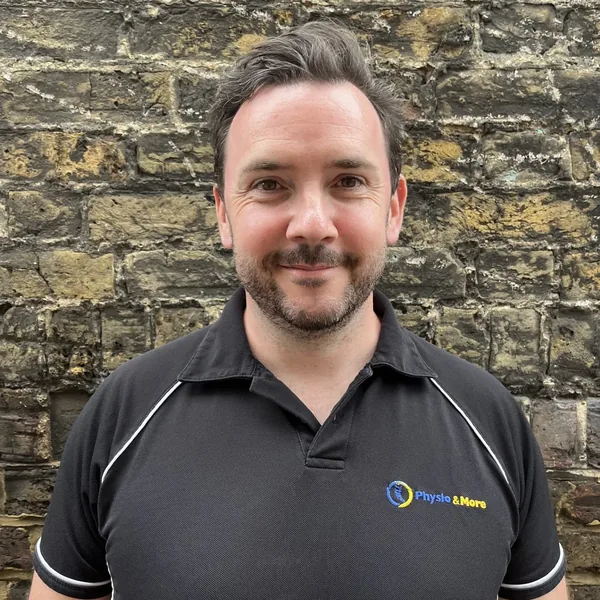
Liam Goode
- Physiotherapy degree, Brunel University (2006)
- HCPC registered physiotherapist
- Member of the Chartered Society of Physiotherapy
Health and Care Professions Council (HCPC) number PH79067.
Prices
| Shockwave therapy | |
|---|---|
| Shockwave assessment30 minutes. Comes off your treatment if you go ahead | £50 |
| Shockwave therapySingle session | £85 |
| Shockwave course6 sessions, the usual course | £420 |
Paying for a course of 6 saves £90 compared with paying per session.
Questions
How many sessions will I need?
Most people have a course of 6 sessions, once a week, alongside an exercise programme. Your physiotherapist will tell you what to expect for your condition at your assessment, and we will not continue past the point where it is helping.
Is shockwave therapy painful?
You feel a firm tapping over the sore area, and some discomfort is normal over a tender spot. It settles quickly, and we adjust the intensity to keep you comfortable. Mild soreness for a day or two afterwards is common.
How quickly will it work?
Many people notice less pain by the middle of the course. The full effect keeps building for 6 to 12 weeks after the last session as the tendon remodels.
Can I keep exercising?
Usually, yes. We may ask you to ease off for a day or two after each session, but staying active is part of the plan.
Is it safe?
Yes. It is non-invasive, with no needles or surgery. It is not suitable if you take blood thinners, are pregnant, have an infection or open wound over the area, or (for children) over growing bone. Your physiotherapist checks for these at your assessment.
Do I need a GP referral?
No. Book an assessment online or call us. Bring any scan reports or letters you have.
Can I claim it on health insurance?
Some insurers cover shockwave as part of physiotherapy. Check with your insurer and bring your authorisation number. See using your health insurance.